Understanding and Overcoming Survivor’s Guilt
September 24, 2025
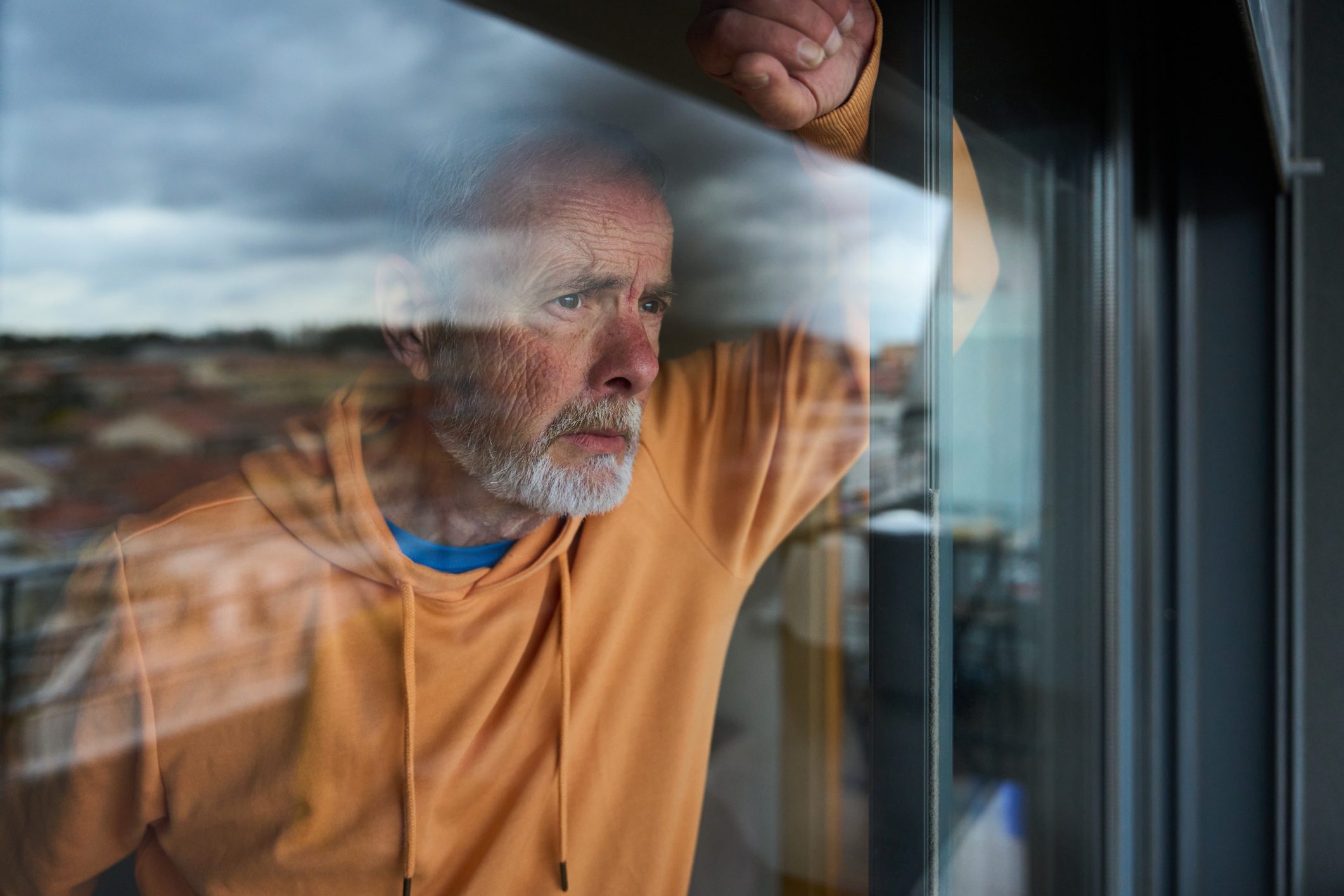
Survivor’s guilt, also known as survival remorse, is a complex emotional response that occurs when someone survived a traumatic event while others did not. It can be deeply distressing and may impact one’s mental health significantly.
What Is Survivor’s Guilt?
Survivor’s guilt manifests when someone feels guilty for having survived an event that caused harm or death to others. This phenomenon is not limited to large-scale disasters; it can also occur after personal experiences such as car accidents, natural disasters or even a pandemic. Understanding that these feelings are a common reaction to trauma is the first step toward healing.
The origins of survivor’s guilt
Survivor’s guilt can trace its origins to various psychological and cultural factors. Historically, communities have placed a great deal of emphasis on collective survival, often leading people to feel a deep responsibility for others’ well-being. This sense of responsibility can become amplified in the wake of a traumatic event. Psychologically, our brains are wired to seek explanations for events, and in the absence of concrete answers, guilt can fill the void.
Personal and collective trauma
Survivor’s guilt is not only a personal experience but can also be a collective one. In communities where a significant number of people have been affected by a traumatic event, such as a natural disaster or a public tragedy, survivor’s guilt can become a shared emotional experience. This collective trauma can perpetuate feelings of guilt, as individuals see their own survival in the context of a broader community loss.
The role of empathy and moral values
Empathy plays a significant role in survivor’s guilt. When we empathize with those who have suffered or been lost, our moral values can lead us to question why we were spared. This questioning can manifest as guilt, as individuals struggle to reconcile their survival with their deeply held beliefs about fairness and justice.
Symptoms of Survivor’s Guilt
Identifying symptoms of survivor’s guilt is crucial for seeking help. Common symptoms include:
- Intrusive Thoughts: Constantly replaying the traumatic event in your mind
- Emotional Distress: Feelings of sadness, grief or helplessness
- Self-Blame: Believing you could have done something to prevent the outcome
- Social Withdrawal: Avoiding situations or people that remind you of the event
- Anxiety and Depression: Persistent feelings of worry and hopelessness
These symptoms often overlap with other mental health conditions, making it important to seek professional help for accurate diagnosis and treatment.
Intrusive thoughts and their impact
Intrusive thoughts are one of the most distressing symptoms of survivor’s guilt. These thoughts can disrupt daily life, making it difficult to concentrate or engage in everyday activities. The constant replaying of the traumatic event can lead to a feeling of being trapped in the past, preventing individuals from moving forward. Over time, these thoughts can erode a person’s sense of self, leading to a feeling of being disconnected from reality.
Emotional distress
Emotional distress in survivor’s guilt can manifest in various ways. Individuals may experience intense episodes of crying, anger or frustration without clear triggers. These emotional outbursts can be confusing and overwhelming, often leaving individuals feeling isolated and misunderstood. Emotional distress can also lead to physical symptoms such as headaches, fatigue and changes in appetite or sleep patterns.
The cycle of self-blame
Self-blame is a pervasive aspect of survivor’s guilt, where individuals feel responsible for the outcomes of the traumatic event. This blame can create a cycle of negative self-talk, where individuals constantly berate themselves for actions they did or did not take. This cycle can be difficult to break, as it is often reinforced by feelings of inadequacy and shame, which further exacerbates the guilt.
The Connection Between PTSD and Guilt
Survivor’s guilt is often linked to Post-Traumatic Stress Disorder (PTSD). PTSD is a mental health condition triggered by experiencing or witnessing a traumatic event. While not everyone with survivor’s guilt will develop PTSD, many do, and the two conditions can exacerbate each other.
The interplay of PTSD and survivor’s guilt
The relationship between PTSD and survivor’s guilt is intricate and deeply intertwined. PTSD can amplify feelings of guilt, as the symptoms of PTSD—such as heightened arousal and flashbacks—can trigger memories of the traumatic event, reminding individuals of their survival. Conversely, the presence of guilt can intensify PTSD symptoms, creating a feedback loop that makes both conditions harder to manage.
Neurobiological factors
There are neurobiological factors that contribute to the connection between PTSD and survivor’s guilt. Research suggests that trauma affects the brain’s structure and function, particularly areas involved in emotion regulation and memory. The amygdala, responsible for processing emotions, can become overactive, while the prefrontal cortex, which helps regulate emotional responses, may become less effective. This imbalance can heighten feelings of guilt and anxiety.
How To Deal With Survivor’s Guilt
Understanding the nature of survivor’s guilt is the first step, but how can you manage it effectively? Here are some strategies:
Seek professional help
Therapy is a crucial tool in overcoming survivor’s guilt. A mental health professional can provide a space to explore your feelings and develop coping strategies. Cognitive Behavioral Therapy (CBT) can be helpful in addressing guilt and changing harmful thought patterns.
Connect with support groups
Joining a support group can provide a sense of community and understanding. Sharing experiences with others who have gone through similar events can be incredibly healing.
Practice self-compassion
It’s essential to remember that surviving a traumatic event is not your fault. Practicing self-compassion involves treating yourself with kindness and understanding, especially during moments of distress.
Establish routine and self-care
Engaging in regular self-care activities can help manage stress and improve mental well-being. This includes exercising, maintaining a healthy diet and ensuring adequate sleep.
Mindfulness and relaxation techniques
Mindfulness practices such as meditation and deep breathing exercises can help reduce anxiety and promote emotional balance. These techniques encourage living in the present moment, which can help reduce the impact of traumatic memories.
Building a supportive network
Building a supportive network of friends, family and professionals can provide a safety net during difficult times. This network can offer practical and emotional support, helping to combat feelings of isolation. Regular social interactions, even if brief, can provide a sense of normalcy and connection, which is vital for recovery.
Setting realistic goals
Setting realistic and achievable goals can create a sense of purpose and direction. These goals can be small, such as reading a chapter of a book or going for a short walk, and gradually increase in complexity. Achieving these goals can boost confidence and demonstrate progress, reinforcing the belief that recovery is possible.
Journaling as a therapeutic tool
Journaling can be a powerful therapeutic tool for processing emotions related to survivor’s guilt. Writing about thoughts and feelings provides an outlet for expression, helping to clarify emotions and identify patterns in thinking. Journaling can also serve as a record of progress, offering insight into how feelings evolve over time and highlighting moments of growth and healing.
Practical Advice for Family Members and Caregivers
If you have a loved one struggling with survivor’s guilt, your support can make a significant difference. Here are some ways you can help:
- Encourage Professional Help: Gently suggest therapy or support groups as options.
- Be a Listening Ear: Sometimes, simply being there to listen can provide immense comfort.
- Educate Yourself: Understanding survivor’s guilt can help you provide more empathetic and informed support.
- Promote Healthy Habits: Encourage your loved one to engage in self-care and maintain a routine.
Recognizing the signs
Being able to recognize the signs of survivor’s guilt in a loved one is the first step in offering support. Look for changes in behavior, mood swings or withdrawal from social activities. Understanding these signs can help you approach the situation with empathy and provide the necessary support.
Creating a safe environment
Creating a safe and supportive environment is crucial for someone dealing with survivor’s guilt. This means offering a non-judgmental space where your loved one feels comfortable expressing their feelings. Encouraging open communication and avoiding pressure to “move on” can make a significant difference in their healing journey.
Encouraging open dialogue
Encouraging open dialogue about survivor’s guilt can help demystify the experience and reduce feelings of isolation. Share resources and information about survivor’s guilt and its impact, fostering an environment of understanding and acceptance. This dialogue can also facilitate seeking help, as individuals may feel more comfortable discussing their emotions and exploring treatment options.
Help for Survivor’s Guilt and PTSD
Survivor’s guilt is a profound and often misunderstood emotional response to trauma. By recognizing its symptoms, understanding its link to PTSD, and implementing coping strategies, you can begin the journey toward healing. Whether you are experiencing survivor’s guilt yourself or supporting a loved one, remember that help is available, and recovery is possible.
At Poplar Springs Hospital, we understand that adolescents and adults deal with unique mental health and substance abuse challenges. Our outpatient program for adults provides empathy, care and coping strategies to achieve a happier, healthier tomorrow.
If you’d like to learn more about how our programs can guide you in your recovery journey, do not hesitate to contact us by filling out our contact form or giving us a call at 866-285-0562.