How Outpatient Programs Can Help Veterans With Mental Health
October 1, 2025
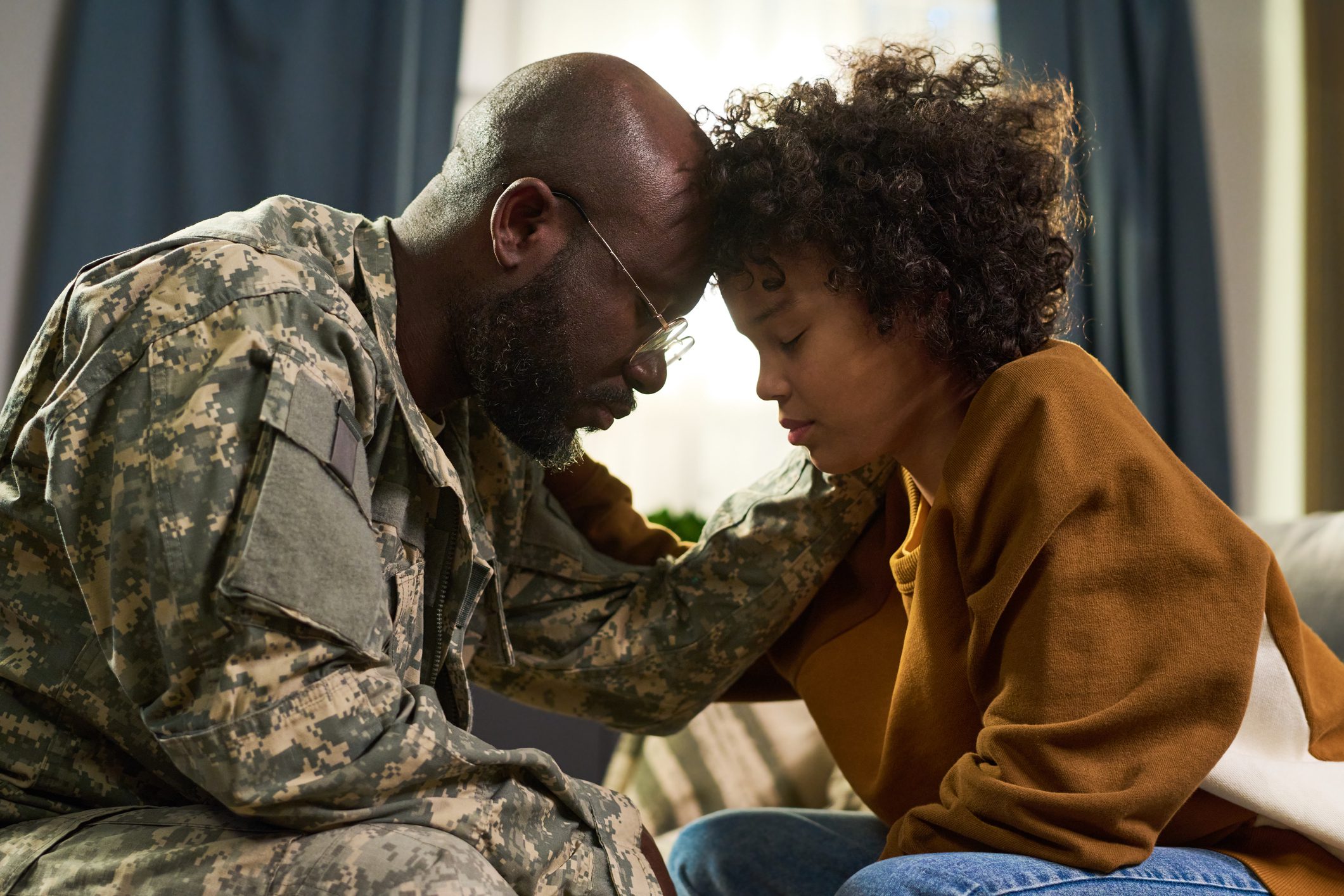
For veterans, the transition from military to civilian life can be challenging, often accompanied by mental health issues such as depression, anxiety and post-traumatic stress disorder (PTSD). The shift from a structured military environment to civilian life can lead to feelings of isolation and a loss of identity, further exacerbating mental health challenges.
Understanding available treatment options is crucial for veterans and their families. One effective treatment method is outpatient mental health programs, which offer flexibility and support for those who need it most. These programs can act as a bridge, helping veterans navigate the complexities of civilian life while addressing their mental health needs.
What Is an Outpatient Program?
Outpatient mental health care is a type of treatment that allows individuals to receive therapy and support while continuing to live at home. This approach is distinct from inpatient care, where patients stay in a facility for a set period. By allowing patients to remain in their familiar environment, outpatient care reduces the disruption to their daily lives, making it a more sustainable option for many. Outpatient programs offer structured therapy sessions and can include individual counseling, group therapy and family therapy. These sessions are designed to fit around the individual’s schedule, providing a level of convenience and accessibility that is often lacking in inpatient care.
These programs are specifically designed to help individuals manage their symptoms, learn coping strategies and improve their overall mental health without the need for full-time hospitalization. The focus is on equipping individuals with the tools they need to handle their mental health challenges independently. By fostering a sense of autonomy, outpatient care empowers veterans to take charge of their mental health journey, encouraging long-term recovery and resilience. Additionally, the outpatient setting allows for a more gradual reintegration into daily life, which can be less overwhelming for veterans adjusting to civilian life.
Benefits of Outpatient Programs
Outpatient care provides several advantages, particularly for veterans dealing with mental health issues:
- Flexibility: Veterans can maintain their daily responsibilities, such as work or school, while receiving treatment. This flexibility can make it easier for them to integrate therapy into their lives. The ability to continue fulfilling personal and professional obligations helps veterans maintain a sense of normalcy, which is crucial for mental well-being. This approach reduces the stigma sometimes associated with seeking mental health treatment, as veterans can attend sessions discreetly without major disruptions.
- Access to Support Networks: Veterans can stay connected with their families and communities, which can be a crucial part of the healing process. Strong support networks are vital for emotional stability and can significantly enhance the effectiveness of therapy. Being surrounded by supportive family and friends provides a safety net that can help veterans feel secure and understood. This ongoing connection also facilitates open communication, allowing veterans to share their experiences and progress with those who care about them.
- Cost-Effective: Generally, outpatient care is less expensive than inpatient treatment, making it a more accessible option for many veterans. Lower costs mean that more veterans can access the care they need without financial strain. This affordability helps to ensure that veterans from various economic backgrounds have the opportunity to seek help. Furthermore, outpatient programs often collaborate with insurance providers and veterans’ organizations to offer financial assistance, broadening the reach of these essential services.
How Outpatient Programs Help Veterans
Outpatient programs provide comprehensive support tailored to the specific needs of veterans, helping them navigate mental health challenges while maintaining their daily lives.
Addressing Veteran-Specific issues
Veterans often face unique challenges, such as reintegrating into civilian life and dealing with trauma from their service. The military experience, while rewarding, can leave lasting impacts that require specialized care. Outpatient programs are tailored to address these specific issues, providing veterans with the tools they need to cope with their experiences and improve their mental health. By focusing on veteran-specific problems, these programs help ensure that the treatment is relevant and effective. Therapists in these programs often have military experience or specialized training in military culture, enhancing their ability to connect with and support veterans.
Therapy for veterans
Therapy for veterans often focuses on addressing trauma and building resilience. Cognitive Behavioral Therapy (CBT) and Eye Movement Desensitization and Reprocessing (EMDR) are common techniques used to help veterans process traumatic experiences and reduce symptoms of PTSD. These methods help veterans reframe their thoughts and reactions to traumatic events. By identifying and challenging negative thought patterns, veterans can gain control over their mental health. Therapists may also incorporate mindfulness practices to help veterans stay grounded and present, reducing anxiety and stress.
Managing veteran depression
Depression is a common issue among veterans, often exacerbated by feelings of isolation and a lack of purpose after service. The transition to civilian life can sometimes strip veterans of the structure and camaraderie they were accustomed to, leading to a sense of loss. Outpatient programs can help veterans manage depression by offering:
- Regular Therapy Sessions: Consistent counseling helps veterans work through their feelings and develop positive coping strategies. Regular interaction with a therapist provides veterans with a reliable source of support and guidance. These sessions can help veterans set achievable goals, fostering a sense of purpose and progress.
- Group Therapy: Connecting with other veterans in similar situations can provide a sense of community and shared understanding, which is vital for recovery. Group therapy sessions offer a platform for veterans to share their experiences and learn from one another. This camaraderie can rekindle the sense of brotherhood and support that many veterans miss after leaving the military.
- Medication Management: For some veterans, medication can be an essential part of managing depression. Outpatient programs often include psychiatric services to help veterans find the right medication regimen. A personalized approach to medication management helps ensure that veterans receive effective treatment with minimal side effects. Regular monitoring by healthcare professionals allows for adjustments as needed, optimizing the therapeutic benefits.
Supporting veterans with PTSD
PTSD is a severe condition that affects many veterans, characterized by flashbacks, nightmares and severe anxiety. The intrusive nature of PTSD symptoms can significantly disrupt daily life, making effective treatment essential. Outpatient programs can provide:
- Trauma-Focused Therapy: Techniques like EMDR and trauma-focused CBT help veterans process traumatic memories. These therapies work by allowing veterans to reprocess traumatic events in a controlled environment. Over time, this can reduce the emotional charge associated with these memories, diminishing their impact.
- Exposure Therapy: This method involves gradually exposing veterans to trauma-related stimuli to reduce fear and avoidance behaviors. Through controlled exposure, veterans learn to confront and manage their fears, gradually decreasing the power these triggers hold over them. This form of therapy can be particularly empowering, helping veterans regain control over their reactions.
- Mindfulness and Relaxation Techniques: These strategies help veterans manage stress and reduce symptoms. Mindfulness exercises teach veterans to focus on the present moment, reducing the grip of anxiety and hyperarousal. Relaxation techniques, such as deep breathing and progressive muscle relaxation, can be incorporated into daily routines to help veterans maintain a calm state of mind.
Making the Most of Outpatient Programs
When selecting an outpatient program, consider the following:
- Program Specialization: Programs specializing in treating veterans understand their unique needs. A program with a strong focus on veteran care is more likely to have staff who are knowledgeable about military culture and the specific challenges veterans face. This expertise can make a significant difference in the treatment’s effectiveness.
- Qualified Staff: Look for programs with experienced mental health professionals, including psychologists, psychiatrists and social workers. The credentials and experience of the staff can greatly influence the quality of care provided. An interdisciplinary team approach helps ensure that veterans receive comprehensive and well-rounded support.
- Comprehensive Services: A good program should offer a range of therapies, including individual, group and family therapy, as well as medication management. Access to a variety of therapeutic options allows for a personalized treatment plan that addresses the veteran’s unique needs. Programs that offer holistic services, including wellness and recreational activities, can further enhance the recovery process.
Practical tips for veterans and their families
For veterans and their families, navigating the mental health treatment landscape can be overwhelming. Here are some practical tips:
- Research and Reach Out: Take the time to research available programs and reach out to them to learn more about their services. Gathering information about different programs can help veterans and their families make informed decisions. Many programs offer consultations or informational sessions, which can provide valuable insight into the program’s approach and offerings.
- Involve Family: Encourage family involvement in the treatment process. Family therapy can help address relational issues and improve communication. When families actively participate, they can better understand the veteran’s challenges and learn how to provide meaningful support. This involvement can also strengthen family bonds, creating a supportive home environment conducive to recovery.
- Stay Committed: Consistency is key. Encourage veterans to attend all scheduled therapy sessions and actively participate in their treatment plan. Commitment to the treatment process is crucial for achieving positive outcomes. Families can play a supportive role by helping veterans stay motivated and reminding them of the progress they have made.
Outpatient Care for Veterans and Service Members
Outpatient programs offer a valuable solution for veterans struggling with mental health issues. By providing flexible, supportive and cost-effective care, these programs can help veterans manage conditions like depression and PTSD while maintaining their daily responsibilities. The personalized and adaptable nature of outpatient care makes it a practical choice for many veterans seeking to improve their mental health.
At Poplar Springs Hospital, we understand that adolescents and adults deal with unique mental health and substance abuse challenges. Our outpatient program for adults provides empathy, care and coping strategies to achieve a happier, healthier tomorrow.
If you’d like to learn more about how our programs can guide you in your recovery journey, do not hesitate to contact us by filling out our contact form or giving us a call at 866-285-0562.